
Looking For Something? Search Our Site Here!


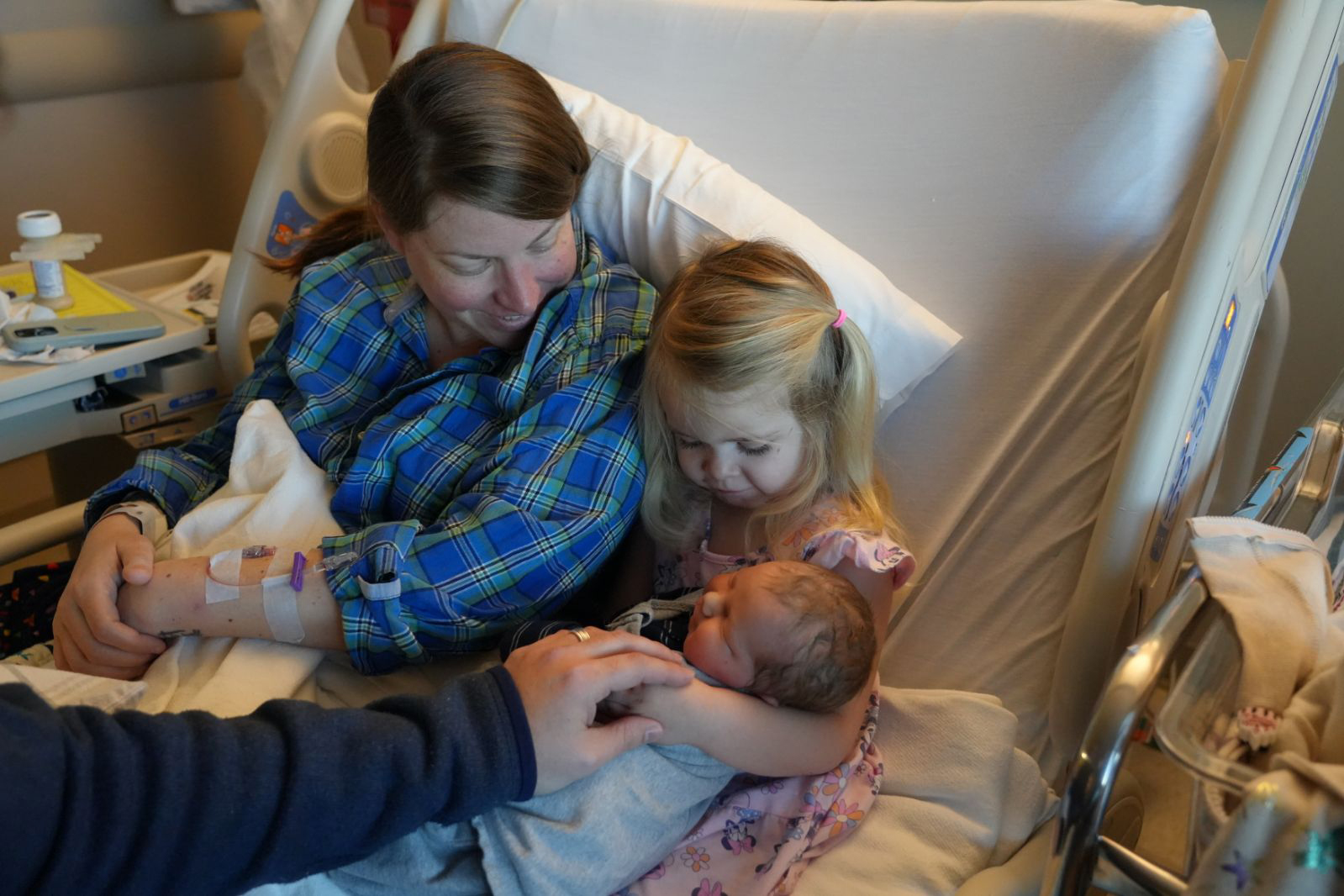
For Amanda Bryson, becoming a mother was something she had always envisioned. After 14 years working with children as a physical therapist specializing in pediatrics, including caring for babies in the neonatal intensive care unit, she and her husband, Collin, were ready to start a family soon after getting married at the ages of 36 and 33. Little did they know that the path ahead would be harder than they expected, including an experience with both a uterine abnormality and secondary infertility.
Getting pregnant with their first child came easily, with baby Lucy born during the Covid pandemic. “I knew almost immediately that I wasn’t done,” Amanda says. “Something was missing.”
The couple soon began trying for baby number two, but this time, month after month brought disappointment. After a chemical pregnancy, they decided they had no more time to waste. It was time to seek help from a fertility specialist. After researching options, the couple chose Texas Fertility Center in Austin and made an appointment with Lisa Hansard, MD.
Amanda’s secondary infertility treatment journey began with a big surprise: Dr. Hansard discovered that Amanda had a uterine septum, a structural abnormality that can interfere with embryo implantation and cause pregnancy complications. Dr. Hansard corrected the uterine abnormality with surgery, then the couple was ready to move on to intrauterine insemination, or IUI. Several IUI cycles later, though, the couple found themselves no closer to pregnancy.
After IUI proved unsuccessful, Dr. Hansard recommended IVF.
“IVF is scary,” Amanda says. “It’s fast-paced, and there’s a timeline. There’s not a lot of adaptability. It hit us hard, but we felt like Dr. Hansard was on the journey with us. She was committed to knowing what needed to get done.”
At age 39, Amanda underwent an egg retrieval. For her, that day stands out as one of the most emotional moments of her fertility journey.
As she had prepared for the procedure, the weight of everything she and Collin had experienced had come rushing in. Dr. Hansard recognized what Amanda was feeling, took her hand and reassured her that she was not alone.
“I remember Dr. Hansard holding my hand and talking to me as I was put under for the egg retrieval,” Amanda says. “She told me, ‘I’ve got you. We’re in this together.’ I fell asleep with her holding my hand. It was the kindest thing anyone had ever done.”
Seven of the 17 eggs retrieved that day fertilized. After several days in the IVF lab, two embryos were viable. The couple decided to have those embryos genetically tested to provide the best chance of a healthy baby.
When it was time for the embryo transfer, Amanda and Collin faced another emotional decision. While both embryos were chromosomally normal, one was a boy and the other a girl. They struggled with which one to choose.
Dr. Anthony Propst, who stepped in to perform the embryo transfer while Dr. Hansard was out of the country, helped them through the decision. Ultimately, they chose to transfer the male embryo.
During the transfer procedure, the couple received another moment of encouragement when their care team noticed that the embryo was beginning to hatch.
“It was such a scary experience, and then the nurse came in with the photo of our embryo, and she was so excited,” Amanda says. “She says, ‘It’s hatching!’ We were so happy because that meant the embryo was alive.”
The embryo transfer was successful, and Amanda became pregnant with their son, Charles, who they now call Charlie. After a pregnancy complicated by high blood pressure, Charlie was delivered by Cesarean section at 36 weeks, when Amanda was 40 years old.
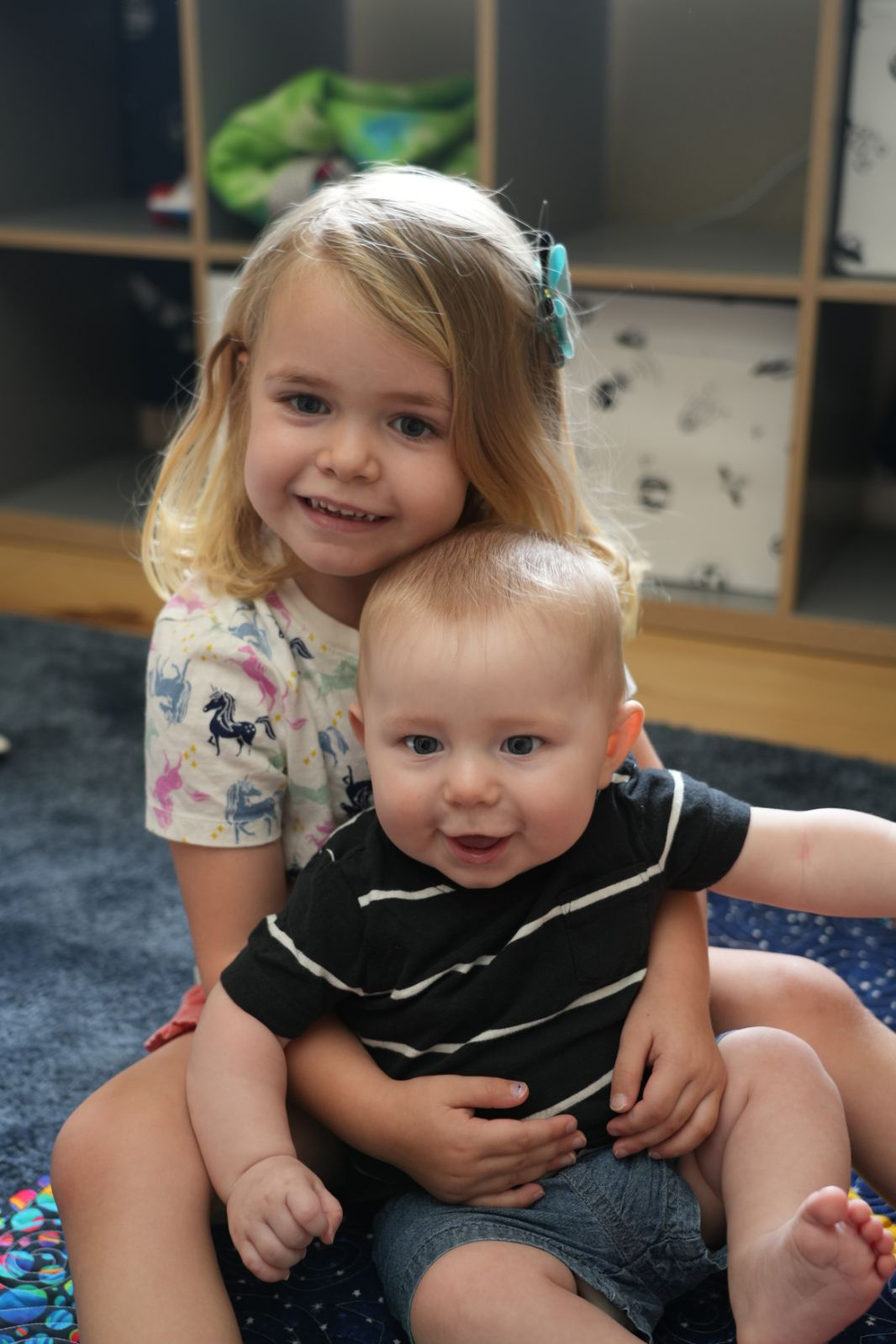
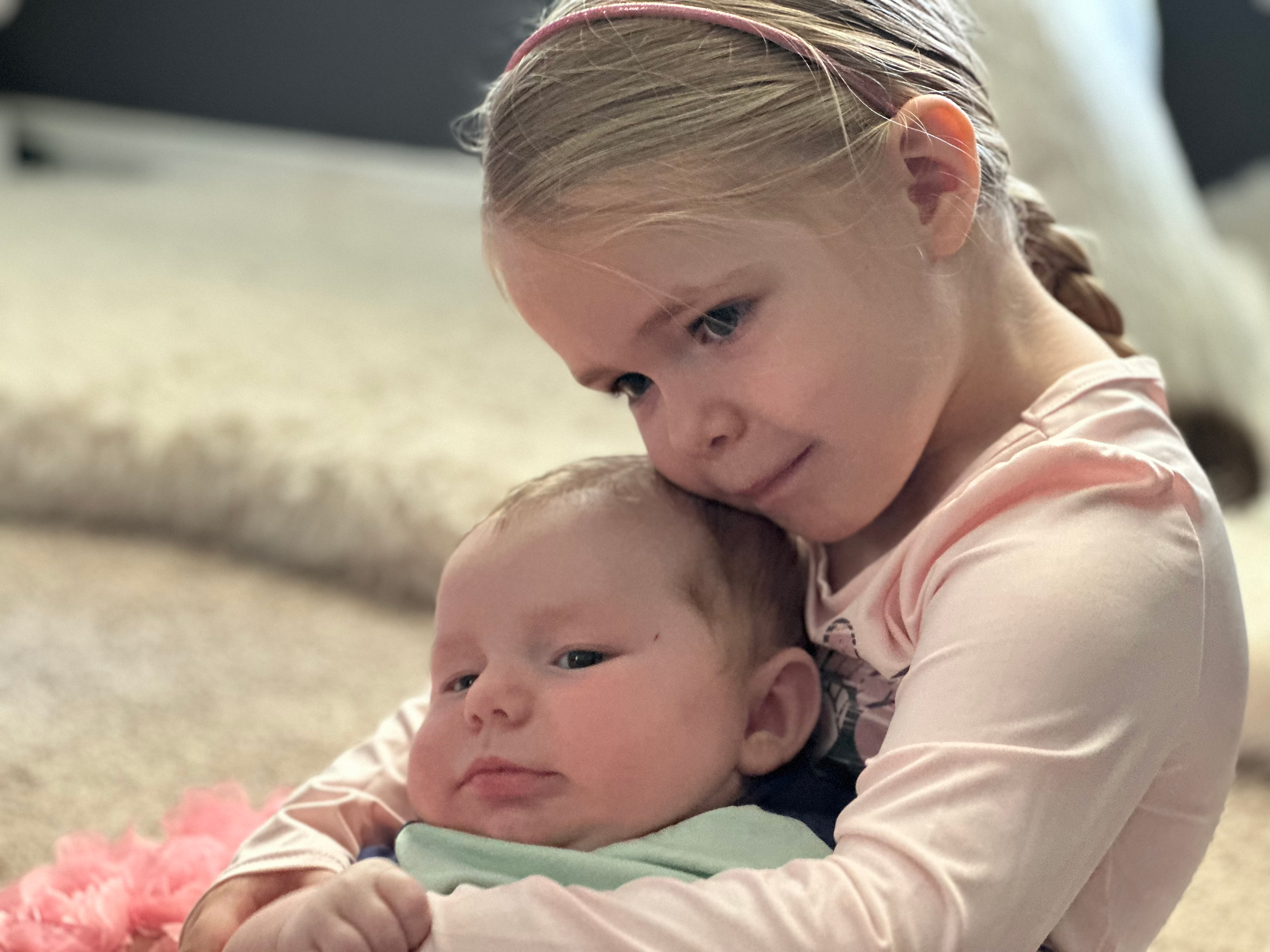
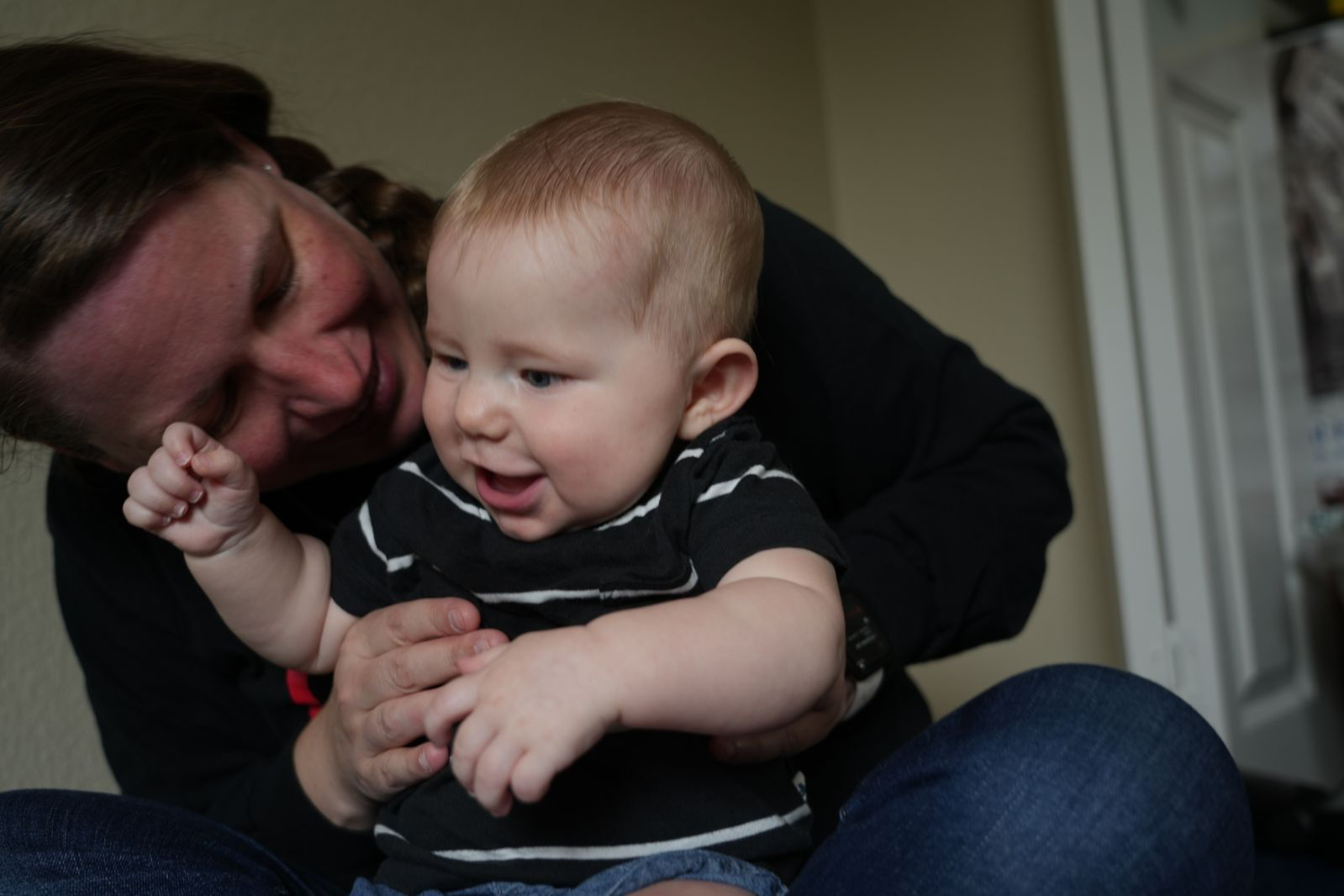
Today, Charlie is a thriving toddler. He and his older sister, Lucy, are inseparable, and Amanda describes her son as a “feral 2-year-old boy” who has brought tremendous joy to their family.
“Our family wasn’t complete until we had Charlie,” Amanda says. “He’s the best thing that has happened to us and Lucy.”
Looking back on her secondary infertility and IVF journey, Amanda is especially grateful for the people who cared for her along the way. She says each member of the Texas Fertility Center team brought something different to her experience, whether it was direct medical guidance, encouragement, or simply knowing when she needed someone to hold her hand.
“The journey to motherhood can feel like a lonely one,” Amanda says. “Lean on your doctors and the team at TFC. We quickly learned there was no question they hadn’t heard and no emotion they hadn’t shared.”
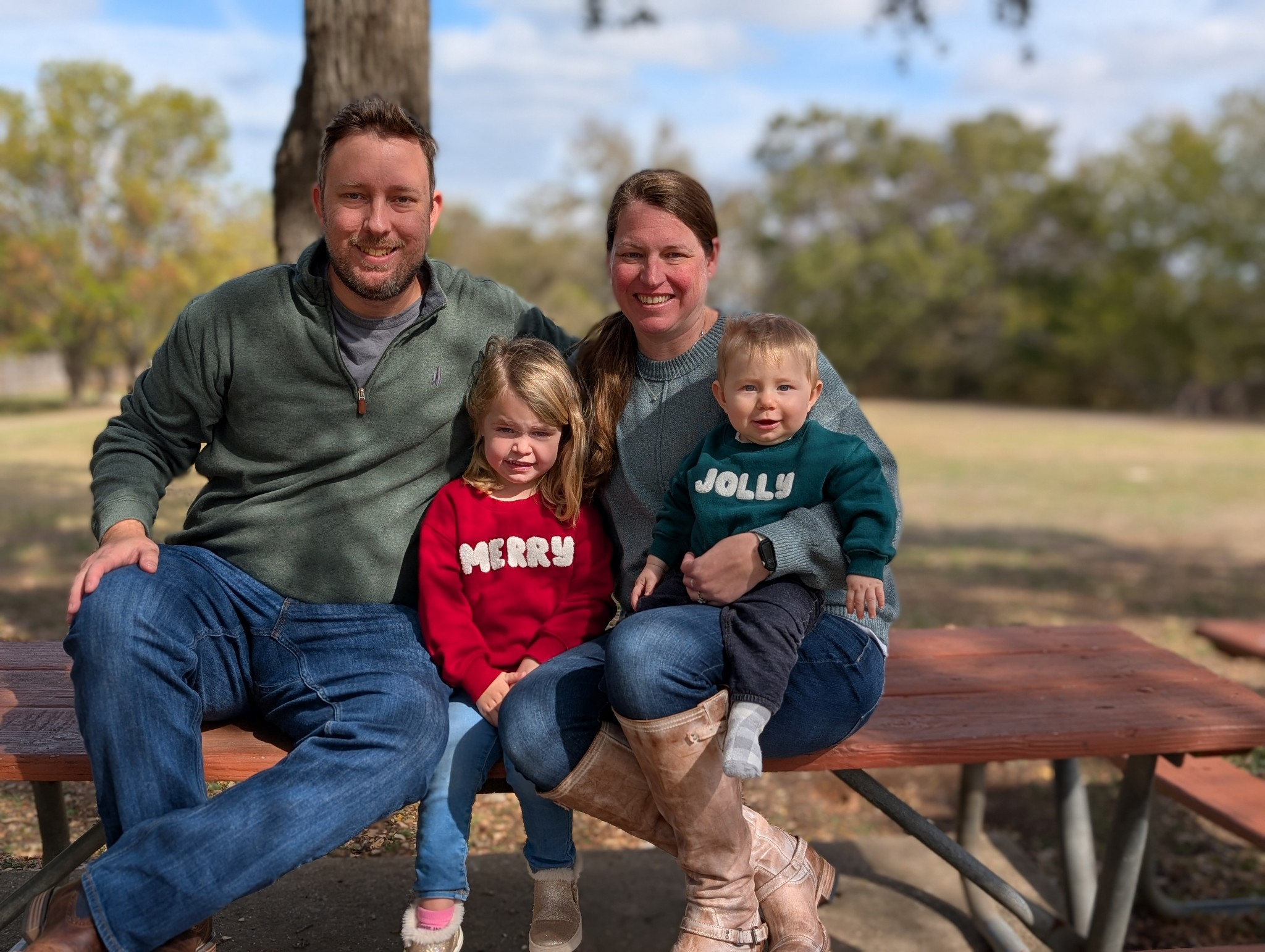
Amanda has since recommended Texas Fertility Center to others experiencing infertility. Her own experience working in the medical field has given her an appreciation for the importance of compassionate, personalized medical care. Having a compassionate team beside her helped her through one of the most difficult and meaningful journeys of her life.
“All of the doctors are very different, but whether they were direct and blunt or sat down and held my hand, they all knew exactly what I needed on that specific day,” Amanda says. “We wouldn’t be where we are without TFC, and we will always be grateful.”